
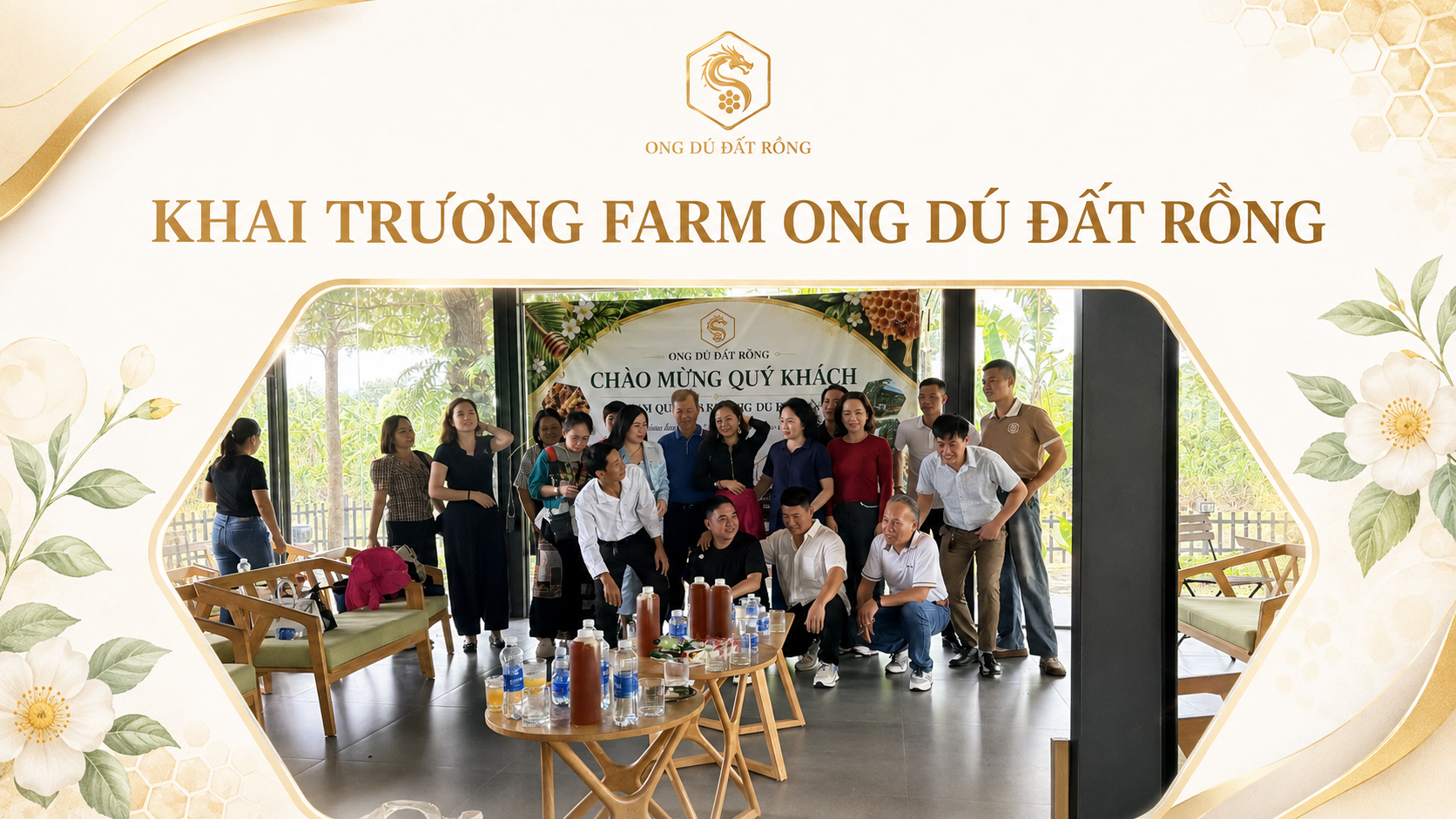
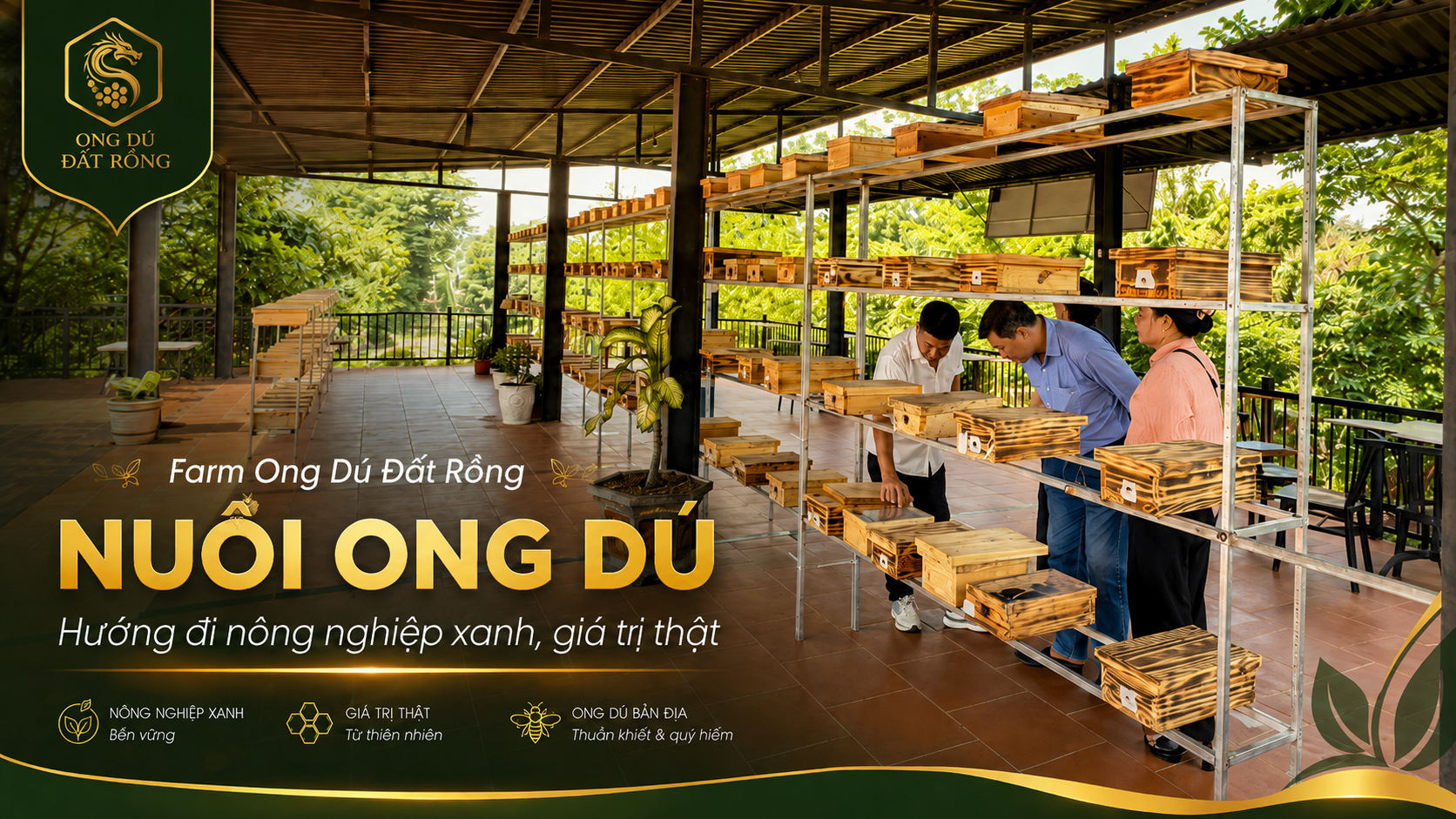
Small as they are, stingless bees are opening a promising direction for agriculture. Beyond valuable honey, colonies can be multiplied, they pollinate crops, and they fit naturally into farm-experience tourism. At Đất Rồng, every hive is part of one ecosystem — breeding stock, farm, product, experience, market — turning a tiny bee into economic value grounded in nature and sustainability.
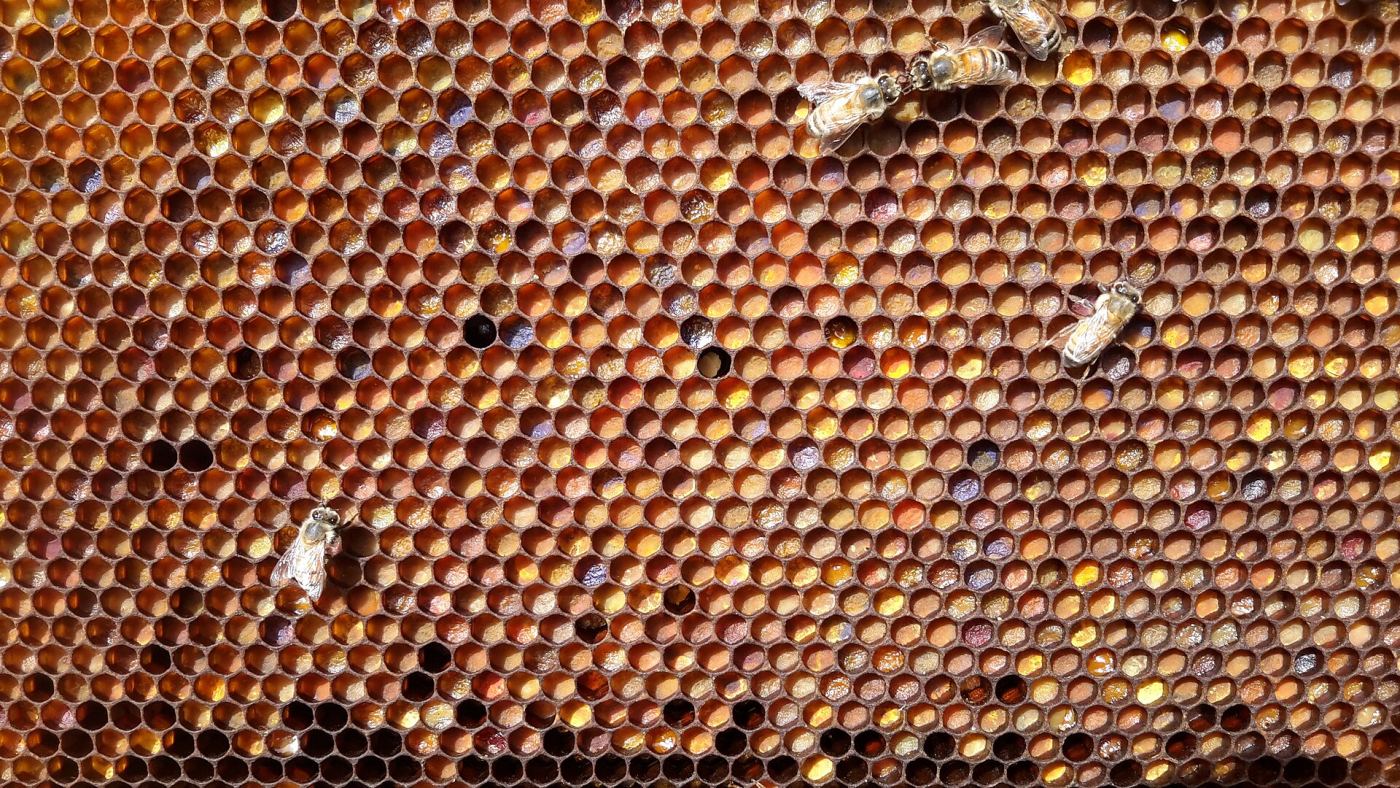
Time the split for when the colony is ready and divide queen cells and workers sensibly — a strong hive can double each year.
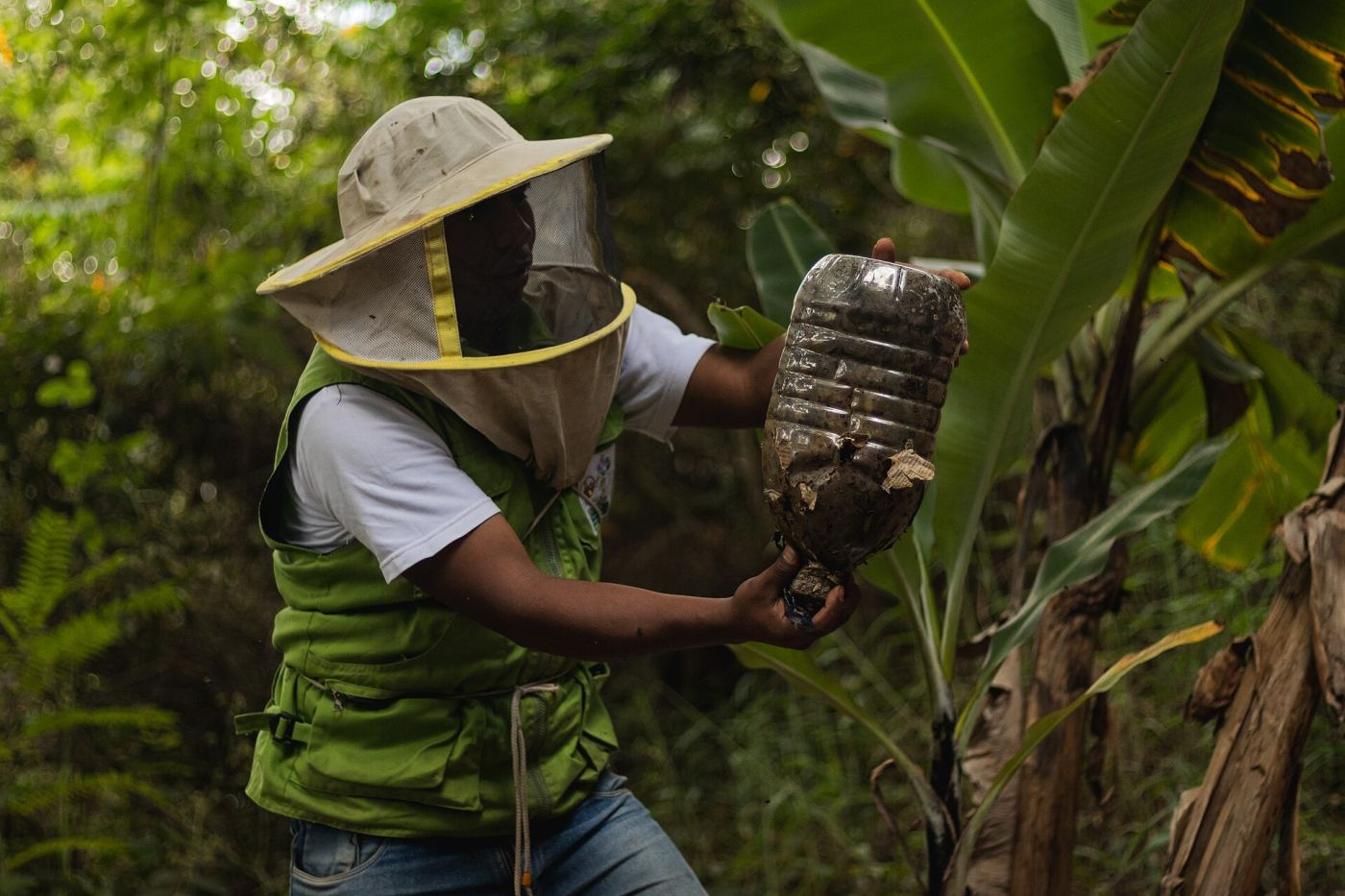
A weekend tour: lift the hive lid to see the honey pots, taste fresh honey in the garden, and scan each hive's QR code to read its full history.
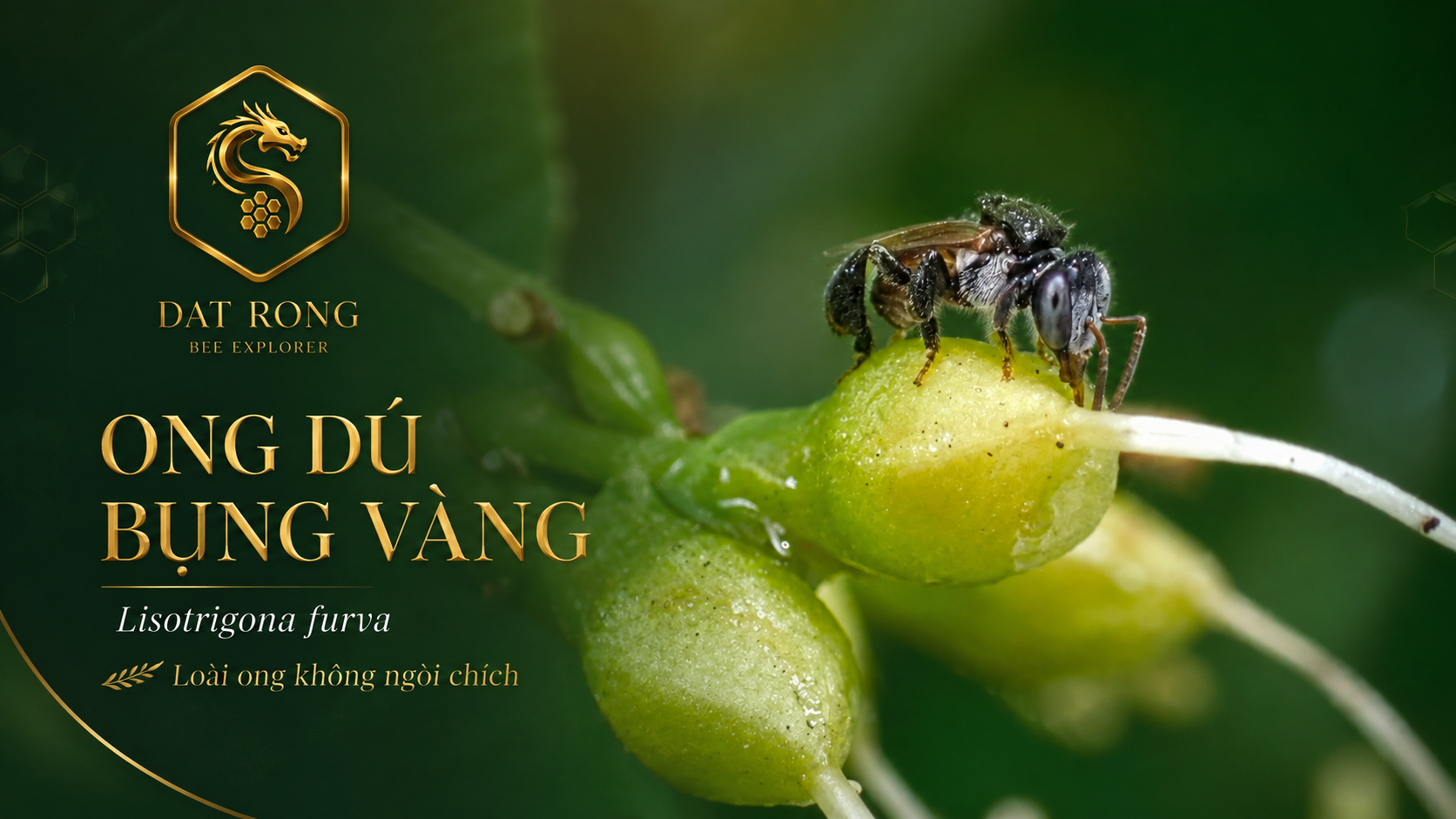
Stingless bees belong to the tribe Meliponini in the family Apidae. About 605 species have been recorded worldwide; Vietnam is home to roughly 16, across genera such as Tetragonula, Lepidotrigona and Lisotrigona.
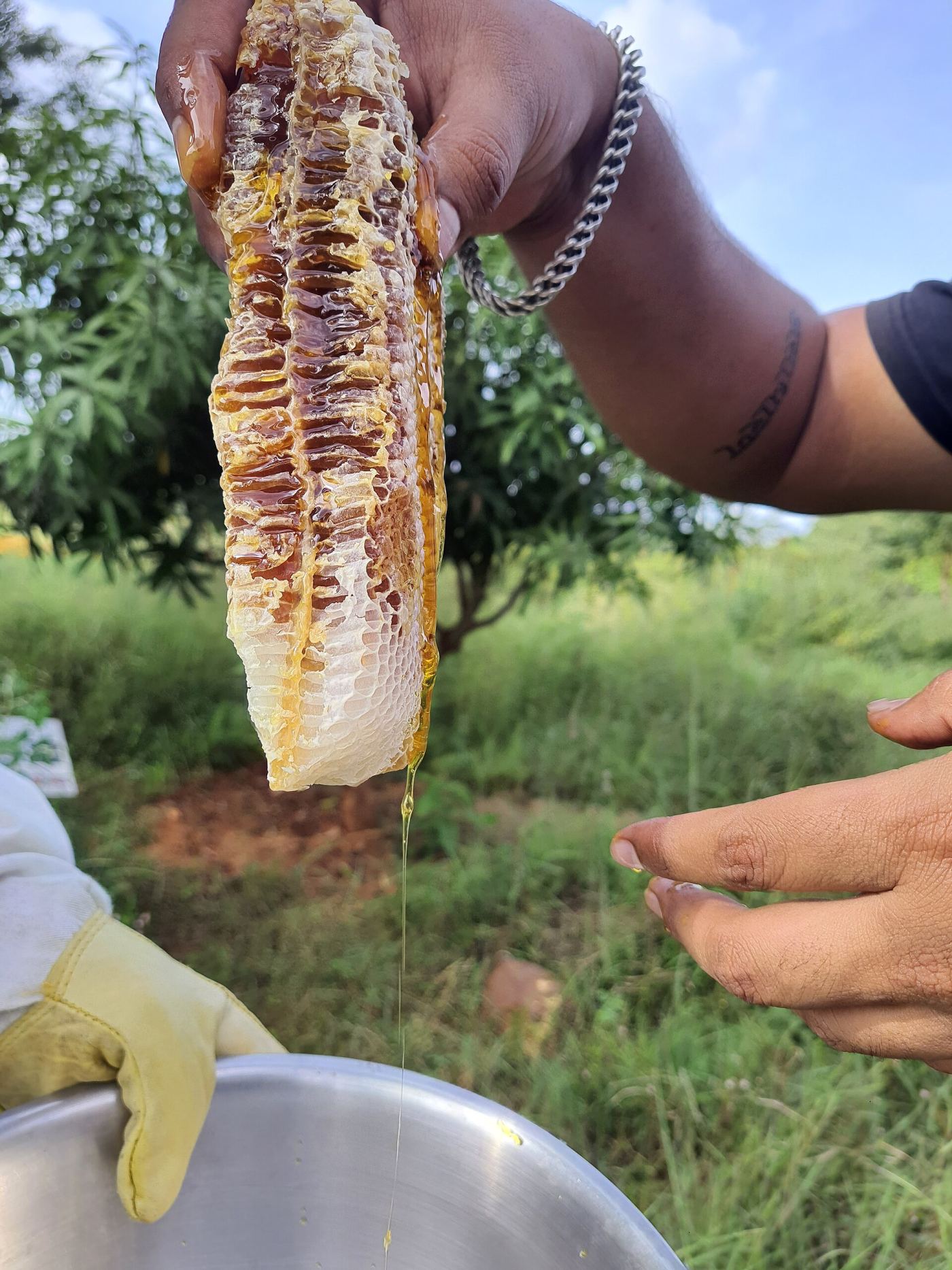
The secret is the resin pot: the honey ferments slowly and naturally, building a complexity that honeybee honey never develops.
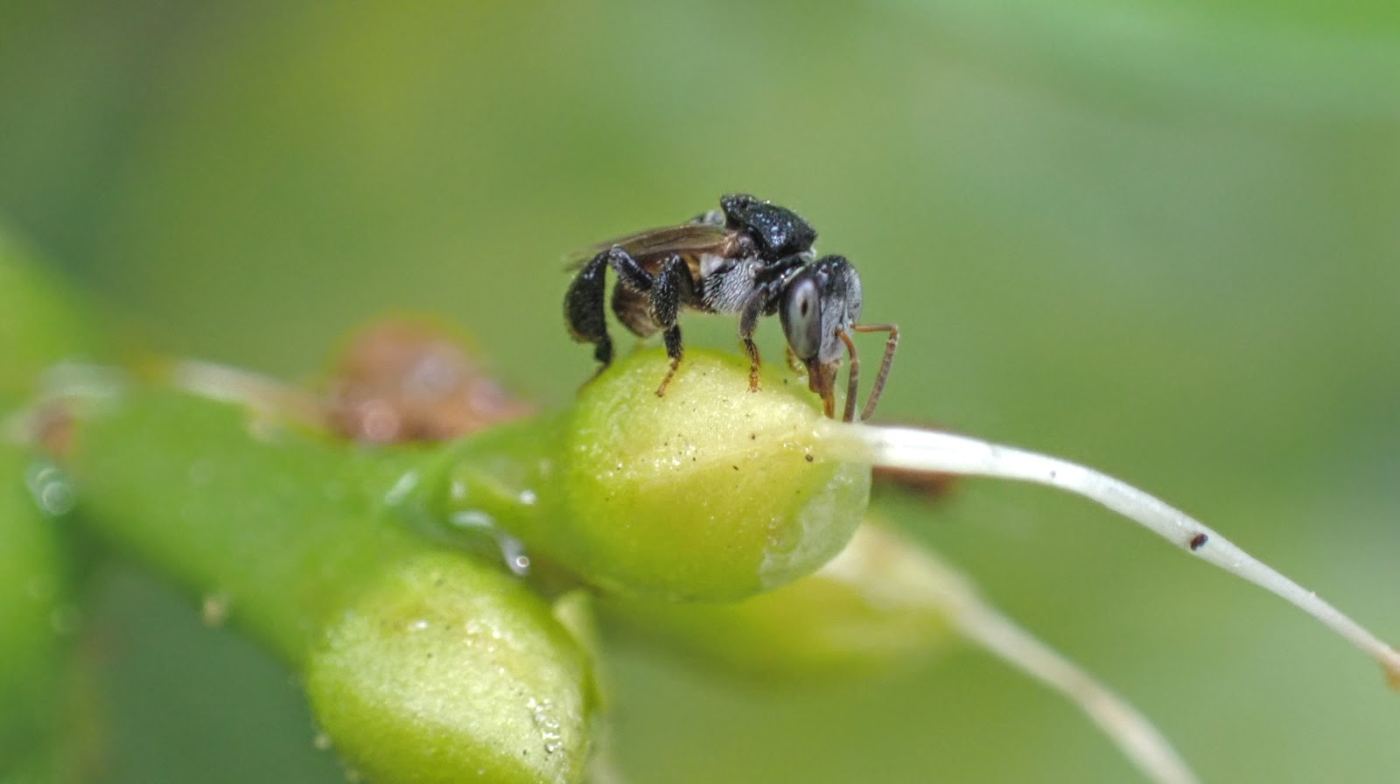
Being small, they reach flowers honeybees pass over. Why coffee and orchard growers should keep a few hives even if they never harvest honey.
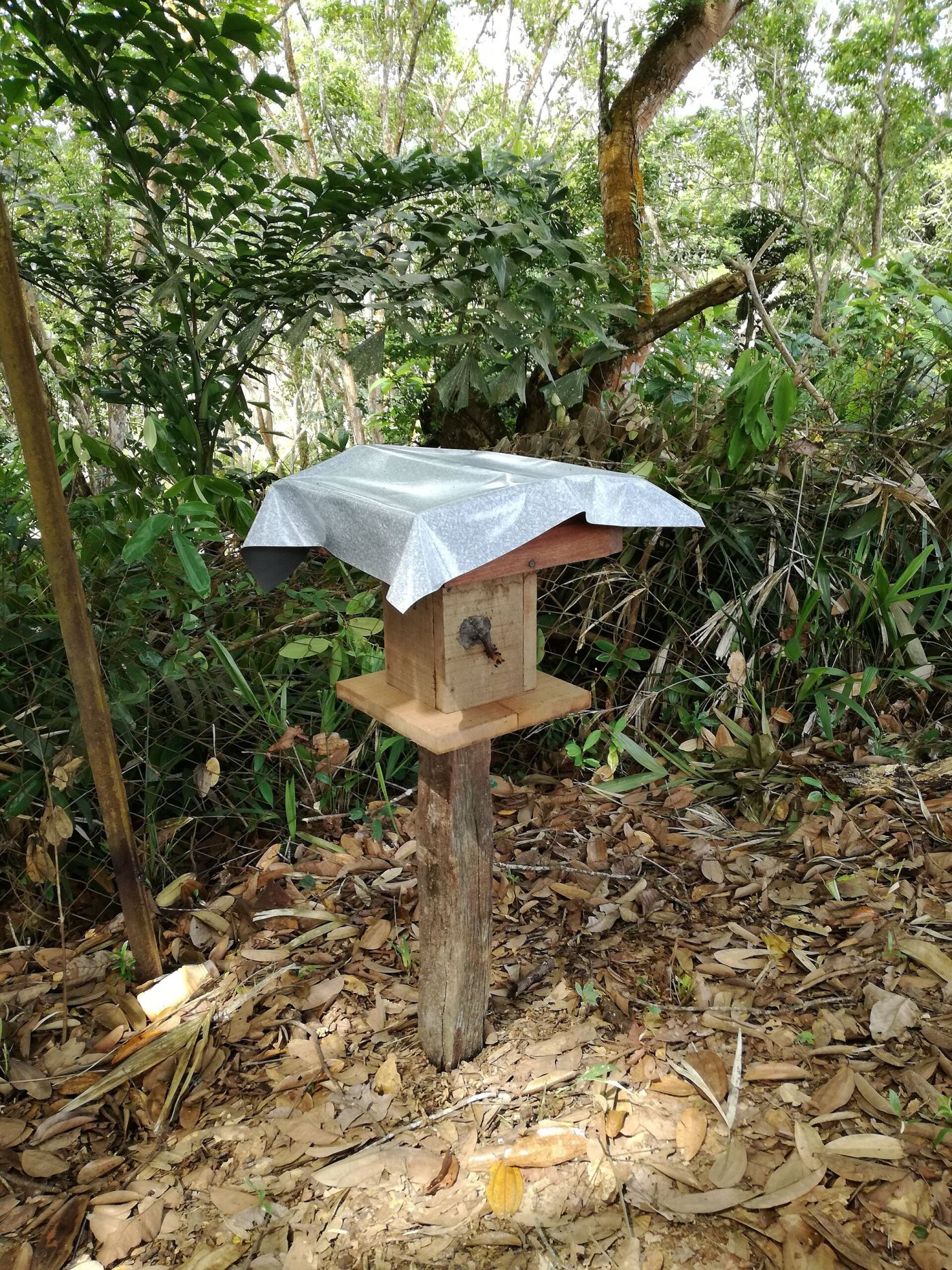
Low yields, high prices, modest start-up costs. A frank analysis of what decides profit or loss — and three kinds of people who should not take it up.
Ants, termites, spiders, parasitic flies and mould — the five most common threats. What to look for at the hive entrance, and how to deal with each without chemicals.
Dry season, peak bloom, rainy season — each calls for different handling. A month-by-month calendar for the Central Highlands and southern Vietnam.